
Baked-On Kitchen Grease on Fire Suppression Linkage
Grease and food residue bond to metal once baked on, and standard cleaning means chemicals, hours of scrubbing, or extended downtime.
Aphelion's cryogenic process embrittles the buildup and lifts it away, no water, no chemical residue, no extended downtime before equipment goes back into service.
Image from Aphelion Demo

Turbine and Generator Contamination
Carbon dust and oil films on de-energized equipment create moisture and conductivity risk with any water-based cleaning method.
A non-aqueous process removes contamination without introducing anything that has to fully dry or be tested for residual conductivity before re-energizing.
Image by grunzibaer from Pixabay

Corrosion and Scale on Industrial Surfaces
Corrosion and scale buildup on industrial equipment shortens service life and complicates inspection and maintenance.
Precise cryogenic treatment clears the surface without abrasive damage to the base material underneath.

Food Processing Equipment
Food residue, oils, proteins, and baked-on grease accumulate on processing equipment over time, reducing sanitation efficiency and increasing cleaning downtime.
APHELION uses controlled cryogenic surface treatment to embrittle and remove stubborn buildup without water, harsh chemicals, or abrasive media.
The process minimizes secondary waste and helps prepare equipment for cleaning and sanitation while reducing production downtime.
Designed for applications where dry, residue-free surface treatment is preferred before equipment returns to service.
Image is free for use under the Pixabay Content License

Egg Processing & Conveyor Sanitation
Organic residue, egg proteins, shell dust, and bacterial biofilms gradually build up on sorting rollers, transfer belts, and drive mechanics, compromising biosecurity, extending washdown cycles, and increasing contamination risks.
APHELION uses controlled cryogenic surface treatment to embrittle and strip away stubborn organic deposits without water, harsh chemicals, or secondary waste streams.
The process cleans conveyance lines and sensitive automated equipment in place, minimizing facility downtime while preserving mechanical drives, sensors, and structural components.
Designed for high-speed egg processing facilities where dry, residue-free surface treatment is required to maintain strict hygiene standards before resuming production.
Image by premiumfoodz from Pixabay
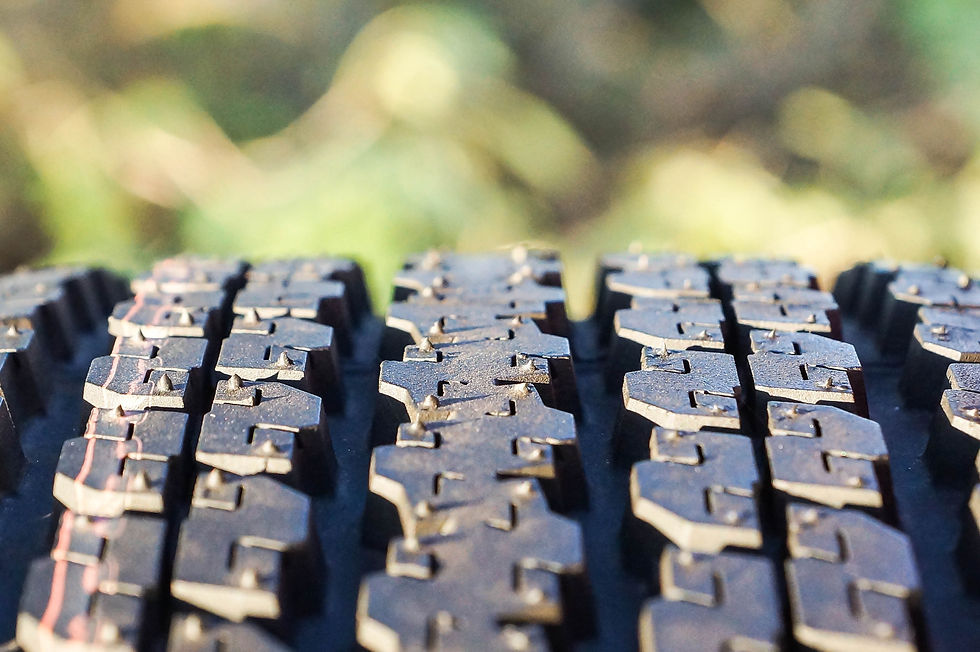
Tire Mold Cleaning
Rubber residue, release agents, carbon deposits, and cured compounds gradually build up inside tire molds, reducing molding quality, extending cycle times, and increasing maintenance requirements.
APHELION uses controlled cryogenic surface treatment to embrittle and remove stubborn mold deposits without water, harsh chemicals, or abrasive media.
The process helps clean molds in place, minimizing downtime while preserving critical mold details and surface finish.
Designed for in-situ tire mold cleaning where dry, residue-free surface treatment is preferred before returning molds to production.
Image by kurtbecker1 from Pixabay

Printing Press Equipment
Ink, paper dust, adhesive residue, coating buildup, and dried contaminants accumulate on rollers, cylinders, gears, and press components over time, affecting print quality, increasing maintenance, and causing unplanned downtime.
APHELION uses controlled cryogenic surface treatment to embrittle and remove stubborn deposits without water, harsh chemicals, or abrasive media.
The dry process helps clean critical press components while minimizing secondary waste and reducing downtime.
Designed for printing and converting equipment where precise, dry surface treatment is preferred before returning equipment to production.